


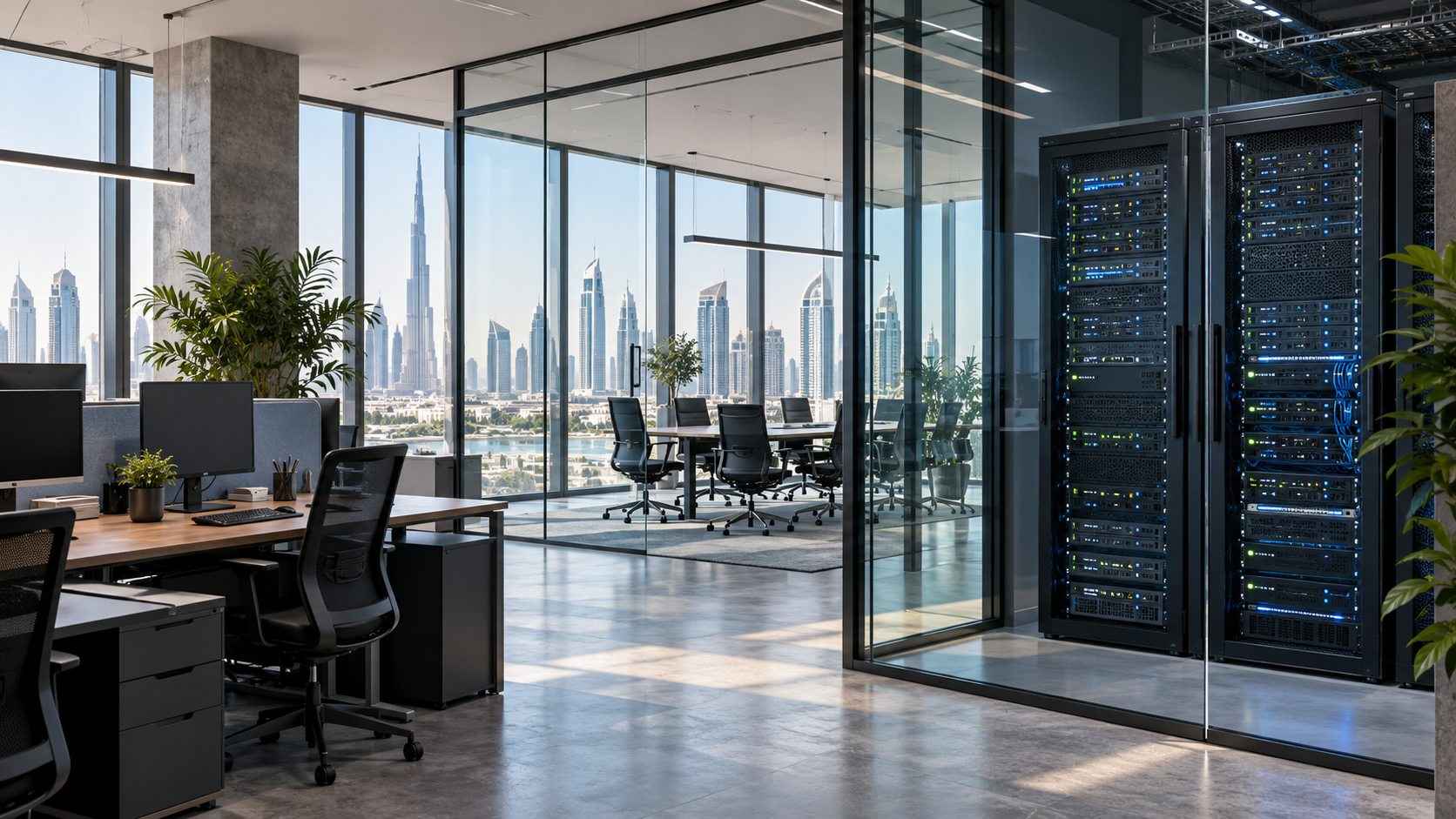

A slow computer, an unreliable internet connection, or a missing file can interrupt an entire working day. When these problems happen regularly, they affect customer service, employee productivity, and business performance. Often, the underlying issue is how the company’s technology has been set up and maintained.
IT infrastructure is the foundation that keeps this technology working together. It supports everything from sending emails and processing payments to storing customer records and running business applications.
For businesses in Dubai, understanding this foundation helps make better decisions about equipment, connectivity, security, and future expansion.
What Is IT Infrastructure?
IT infrastructure is the collection of hardware, software, networks, and supporting resources that allow a business to operate its technology systems. These components work together to store information, run applications, and help employees communicate.
Think of a retail business. Its billing computers, inventory software, internet connection, and data storage all form part of its IT infrastructure. If these systems cannot communicate reliably, employees may struggle to check stock, complete transactions, or access sales reports.
Infrastructure can be located within the business premises, delivered through cloud services, or built using a combination of both. The right arrangement depends on operational needs, available resources, and how employees access information.
What Are the Main Components of IT Infrastructure?
1. Hardware That Supports Everyday Work

Hardware includes the physical equipment employees and business systems depend on: desktop computers, laptops, servers, storage devices, printers, and networking equipment.
Choosing hardware involves more than comparing prices. A design team may need powerful workstations, while an accounts department may prioritise reliable computers that run financial applications smoothly.
When comparing Computer Hardware Suppliers In Dubai, businesses should consider equipment suitability, warranty coverage, compatibility, and after-sales support. Standardising suitable devices can also make maintenance and replacements easier as the team grows.
2. Software That Connects Business Activities
Software turns equipment into useful working tools. It includes operating systems, email platforms, accounting applications, customer management systems, and security tools.
The important question is whether these applications support the way the business works. Employees should be able to access the tools they need without unnecessary duplication or complicated workarounds.
Software also needs regular updates, appropriate licensing, and controlled access. Without ongoing attention, outdated applications can create compatibility problems and security weaknesses.
3. Networks That Keep People Connected
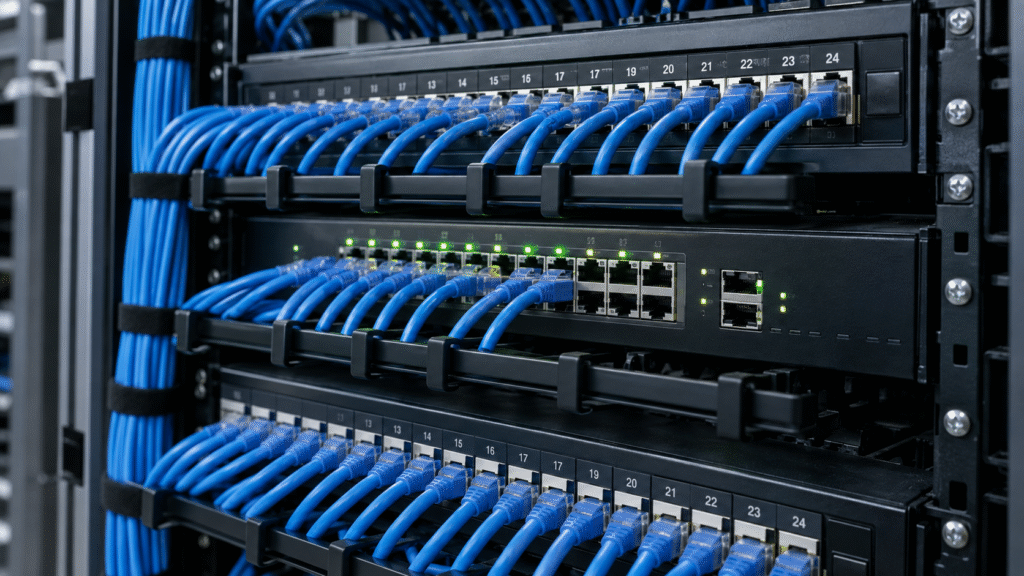
A business network connects computers, servers, printers, and other devices so they can exchange information. Routers, switches, wireless access points, and cabling all contribute to its performance.
Even a fast internet package cannot resolve every connectivity problem. Poor wireless coverage, damaged cables, or unsuitable equipment may still disrupt work.
Professional Network Cabling Services In Dubai can help businesses establish organised physical connections between devices. Properly planned cabling, clear labelling, and testing make faults easier to trace and future changes easier to manage.
4. Storage, Backup, and Recovery
Businesses need dependable ways to store documents, customer information, financial records, and application data. Storage may be local, cloud-based, or spread across different systems.
However, storing information and protecting it are different responsibilities. Files can be lost through accidental deletion, hardware failure, or malicious activity.
When evaluating Data Backup And Recovery Services Dubai businesses should ask what data is protected, how frequently backups run, and how restoration is tested. A backup is only useful when the required information can be recovered within a timeframe the business can tolerate.
Why Does Your Business Need Reliable IT Infrastructure?
It Helps Employees Work Efficiently
Employees lose valuable time when applications freeze, files take too long to open, or connections repeatedly drop.
Reliable infrastructure reduces these interruptions and gives teams consistent access to their working tools. For example, a shared document system with appropriate permissions can make collaboration easier and reduce confusion over different file versions.
The result is less time troubleshooting everyday problems and more time completing useful work.
It Supports Business Continuity
Technology failures can interrupt sales, communication, and service delivery. A business that depends on one device or a single unprotected data location may struggle when something goes wrong.
Continuity planning identifies these dependencies and prepares practical alternatives. This might include backup connectivity, replacement equipment arrangements, and documented recovery procedures.
The objective is to understand which operations matter most and how to restore them after disruption.
It Strengthens Information Security
Business infrastructure also determines how information is accessed and protected.
Access controls, software updates, network security, and device management help reduce exposure to common threats. Employees should have access to the information required for their roles, with permissions reviewed when responsibilities change.
Security works best when these measures are maintained consistently and supported by clear employee practices.
It Makes Expansion Easier
Adding employees, opening another office, or introducing new software places extra demands on existing systems.
Well-planned infrastructure makes these changes more manageable. Businesses can assess network capacity, storage requirements, user access, and equipment needs before expansion creates problems.
This preparation also helps avoid repeated emergency purchases and unnecessary replacements.
Who Should Manage Your IT Infrastructure?
Buying equipment is only the beginning. Systems require monitoring, maintenance, updates, troubleshooting, and periodic review.
Some businesses have an internal IT team. Others work with an external partner to access ongoing technical support.
When selecting an IT Managed Service Provider Dubai businesses should clarify responsibilities, support hours, response commitments, and reporting. The agreement should explain which systems are covered and how issues are escalated.
For broader improvements, IT Infrastructure Services Dubai companies use may include assessments, network planning, installation, migration, and upgrades. These projects should address identified operational needs.
Build Around Your Business Needs
Start by reviewing recurring problems, critical applications, existing equipment, and recovery arrangements. Then prioritise improvements according to their effect on daily operations.
A suitable IT Solutions Provider Dubai businesses can work with should explain recommendations clearly and connect each proposal to a practical requirement.
Reliable IT infrastructure gives your business the tools to work consistently, protect information, and accommodate change. With thoughtful planning and regular maintenance, technology becomes a dependable part of everyday operations.
